A high-tech enterprise specializing in the research and development of optical fiber communications and manufacturing.
Language
A high-tech enterprise specializing in the research and development of optical fiber communications and manufacturing.
Photovoltaic (PV) cables, also known as solar cables, are specialized electrical conductors designed exclusively for solar energy systems. They connect solar panels to inverters, charge controllers, and battery banks, ensuring efficient power transfer from photovoltaic arrays.
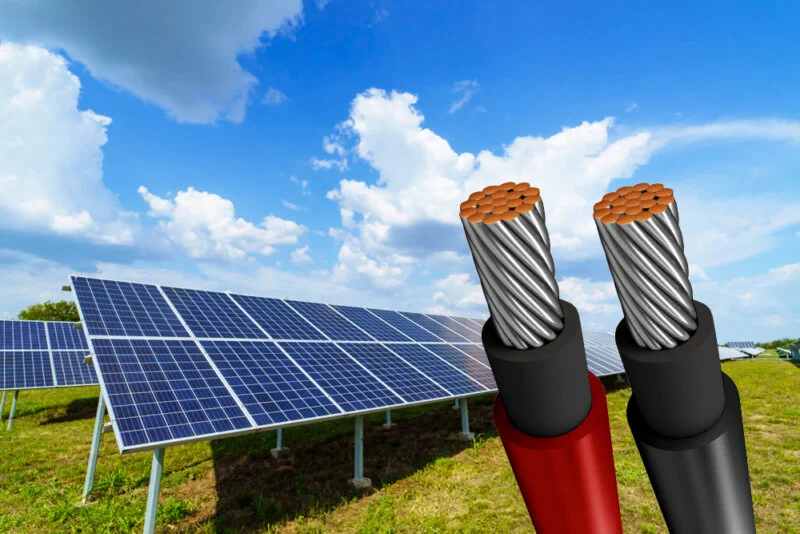
Key Features Distinguishing PV Cables from Standard Cables:
1. UV Resistance
Withstand decades of direct sunlight exposure without degradation.
2. Weatherproof Design
Resistant to moisture, extreme temperatures (-40°C to 120°C), and chemical corrosion.
3. High-Temperature Tolerance
Operate safely at temperatures up to 120°C (vs. 60–90°C for standard cables).
4. Low Smoke Zero Halogen (LSZH)
Emit minimal toxic smoke if exposed to fire, enhancing safety in enclosed spaces.
5. Color Coding
Industry-standard red (positive) and black (negative) for error-free installation.
Technical Construction:
Component Material & Function
Conductor Tinned copper (corrosion-resistant) or aluminum (cost-effective).
Insulation Cross-linked polyethylene (XLPE) or ethylene propylene rubber (EPR) for thermal stability.
Outer Sheath Halogen-free polymers (e.g., XLPE) resisting abrasion, UV, and weathering.
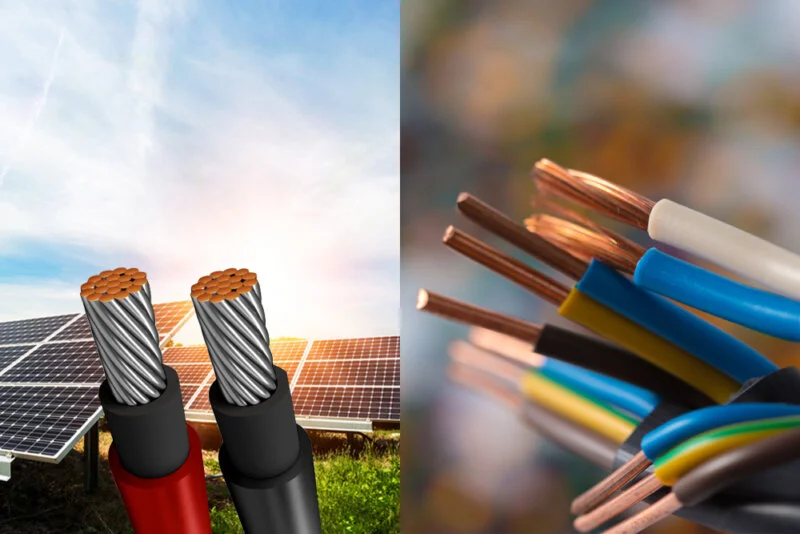
Primary Applications:
Grid-Tied Systems: Residential/Commercial rooftops, solar farms.
Off-Grid Solutions: Remote power systems, solar water pumps.
Battery Storage: Interconnecting battery banks and charge controllers.
Public Infrastructure: Solar street lights, traffic signals.
Industry Standards & Certifications
PV cables must comply with:
IEC 62930 (International safety/performance standard).
UL 4703 (North American flammability/durability requirements).
TÜV Rheinland (Quality verification for UV/weather resistance).
Selection Guidelines
Choose PV cables based on:
Current Rating: Match cable gauge to system amperage.
Voltage Rating: Minimum 1.5kV DC for most installations.
Environmental Conditions: Prioritiz