A high-tech enterprise specializing in the research and development of optical fiber communications and manufacturing.
Language
A high-tech enterprise specializing in the research and development of optical fiber communications and manufacturing.
For over a century, copper has been a cornerstone of global telecommunications. Its unique properties have formed the conductive thread connecting the world—from the first landline networks to modern mobile infrastructure. This legacy of reliable connectivity ensures copper will remain vital well into the future.
The advancement of telecommunications technology was marked by the pivotal adoption of coaxial cable. Featuring a central copper conductor, this cable type became infrastructure-critical due to its capacity for high-bandwidth transmission, enabling television broadcasts and broadband internet. Its revolutionary ability to carry multiple signal channels simultaneously fundamentally transformed media distribution and consumption.
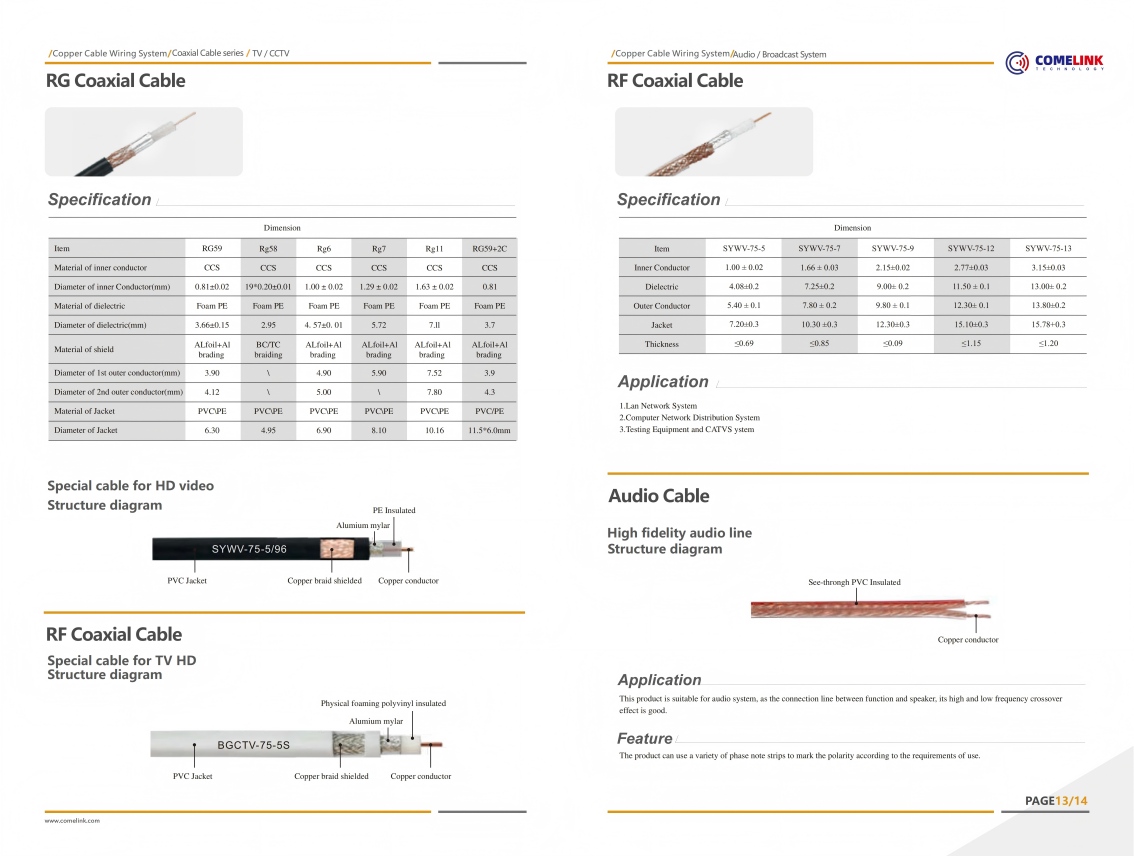
The digital transformation has further cemented copper's critical role. As the backbone of Ethernet cabling in homes, offices, and data centers, copper continues to enable local device connectivity. While fiber optics dominate long-haul backbones, copper persists as the essential final-mile link to end-users. Ironically, the very AI revolution powered by this digital infrastructure is now straining global copper supply. Data centers—the physical heart of AI—are a primary demand driver, consuming vast quantities of copper for power distribution, cooling, and internal cabling. The escalating energy needs of AI computing compound this demand, intensifying the projected copper deficit.
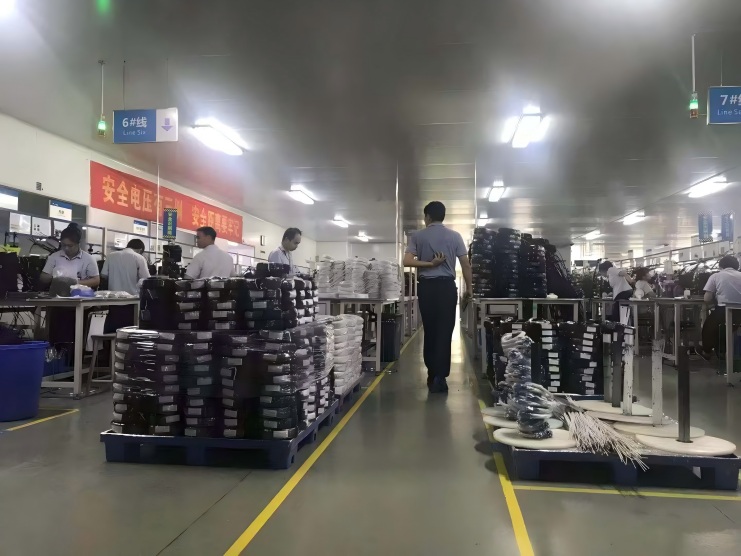
Kexint is a professional network cable manufacturing factory with 10 years of industry experience. We offer customized services and can also provide free samples for your evaluation. Our network cables have been exported to many countries including Russia, the UK, Saudi Arabia and Sri Lanka, with whom we have established long-term cooperative partnerships. We are committed to providing you with superior products and services.
How to Select the Right Copper Network Cable
Choosing the optimal copper cable involves evaluating three key factors: required performance, installation method, and operating environment. A systematic approach ensures reliability, cost-effectiveness, and support for future needs.
Step 1: Select the Performance Category (Cat5e, Cat6, Cat6a)Your required bandwidth and transmission distance determine the cable category.
| Category | Max Speed | Effective Distance | Best Use Case |
| Cat5e | 1 Gbps | Up to 100 m | Cost-effective solution for basic connectivity (e.g., standard office networks). |
| Cat6 | 10 Gbps | Up to 55 m | Short-run, high-speed backbone links or upgrades within limited distance. |
| Cat6a | 10 Gbps | Up to 100 m | Full-distance 10G networks, commercial installations, or areas with EMI concerns. |
| Guidance: Align your choice with both current needs and foreseeable upgrades. Investing in a higher category today can prevent expensive infrastructure replacements later. | |||
Step 2: Choose the Conductor Type (Solid vs. Stranded)
This choice depends on whether the cable will be fixed in place or moved frequently.
Solid Conductor: Uses a single, thick copper wire per conductor. Offers superior electrical performance over distance and lower attenuation. Designed for permanent, fixed installations (in-wall, ceiling, patch panels).
Stranded Conductor: Consists of many thin wires twisted together. Provides high flexibility and resistance to breakage from repeated bending. Ideal for patch cords and any connection that will be plugged/unplugged or moved.
Step 3: Assess the Installation Environment (Indoor vs. Outdoor)
The environment dictates the required cable jacket and protective features.
Indoor Cables: Typically have a standard PVC jacket. Suitable for controlled environments like offices, homes, and data centers.
Outdoor Cables: Constructed with weather-resistant materials (e.g., PE jacket), are UV-treated, and often include moisture-blocking gel or tape. Mandatory for any exterior run, burial, or conduit exposed to temperature swings, sunlight, or dampness. Using an indoor cable outdoors will lead to rapid jacket degradation and signal failure.
Final Checklist:
Speed & Distance: Match your Cat rating to your network specs.
Installation Type: Use solid core for walls; use stranded for patch cables.
Environment: Use outdoor-rated cables for any external exposure.
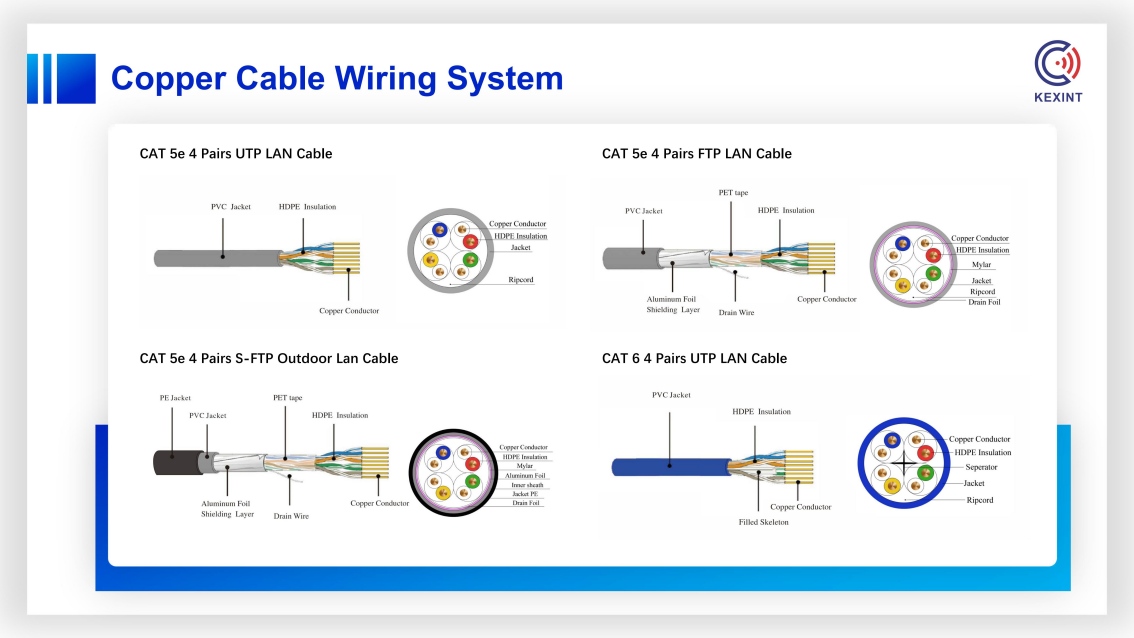
EMI: In electrically noisy areas (near industrial machinery, heavy power lines), specify shielded (STP/FTP) variants over standard UTP.