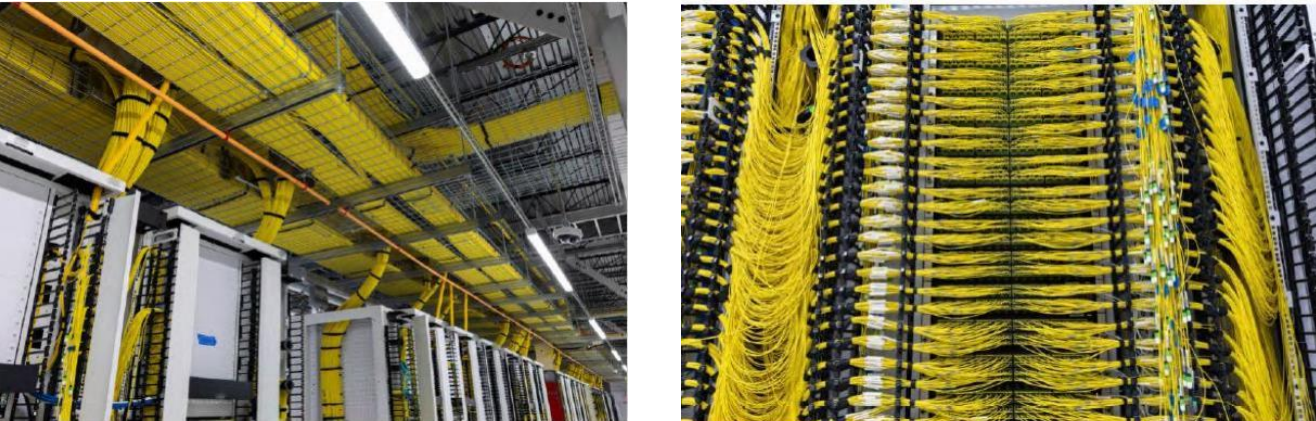
A high-tech enterprise specializing in the research and development of optical fiber communications and manufacturing.
Language
A high-tech enterprise specializing in the research and development of optical fiber communications and manufacturing.
Edge efficiency – smaller models and edge deployments reduce energy use and enable wider AI applications beyond basic support.
Cost calculus – telcos face hard questions about training costs, energy use, and the actual value of solving specific problems with AI.
Network dependency – the success and scalability of AI workloads hinge on underlying network infrastructure and capacity.

For telecommunications operators, this represents both an opportunity and a challenge. The deployment of edge AI can dramatically reduce network latency and enhance user experience, particularly in applications requiring extremely high real-time performance such as autonomous driving, industrial IoT, and augmented reality. Additionally, moving AI capabilities to the edge can reduce data transmission volumes, lower bandwidth costs, and partially alleviate privacy and data security concerns.
However, realizing this vision requires telecommunications operators to engage in careful strategic planning. First is the issue of deployment location selection—among the numerous edge nodes in the network, operators must accurately determine which locations can generate the most value. This involves comprehensive consideration of multiple factors including user distribution, business requirements, and geographical environment. Second, calculating return on investment (ROI) becomes extremely complex. While edge AI can bring numerous benefits, upfront infrastructure investments are substantial, including edge node construction, network transformation, and power supply upgrades. Operators need to find a balance between short-term cost pressures and long-term strategic value.

More challenging still is that even after infrastructure deployment is complete, making AI networks truly effective requires continuous optimization and upgrading. The training, deployment, and updating of AI models all require stable and reliable network support, while dynamic network changes demand that AI systems possess adaptive capabilities. This interdependent relationship causes the overall system complexity to grow exponentially.
In this process, telecommunications operators also face coordination challenges with various stakeholders including cloud service providers, equipment manufacturers, and application developers. How to build an open yet controllable ecosystem, and how to maintain core competitiveness in cooperation, are questions requiring in-depth consideration.
In summary, the rise of smaller AI models presents unprecedented transformation opportunities for the telecommunications industry. However, the key to success lies in whether operators can find the optimal balance between technological innovation, cost control, and business innovation, thereby securing an advantageous position in this wave of intelligent transformation.